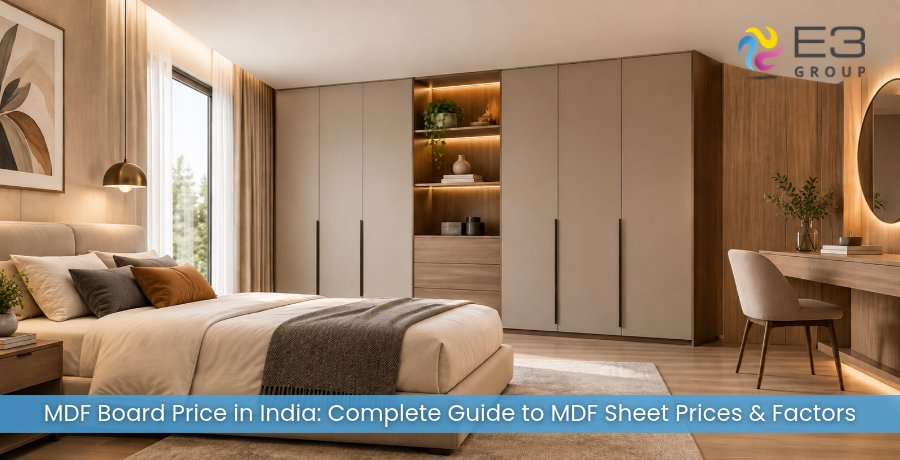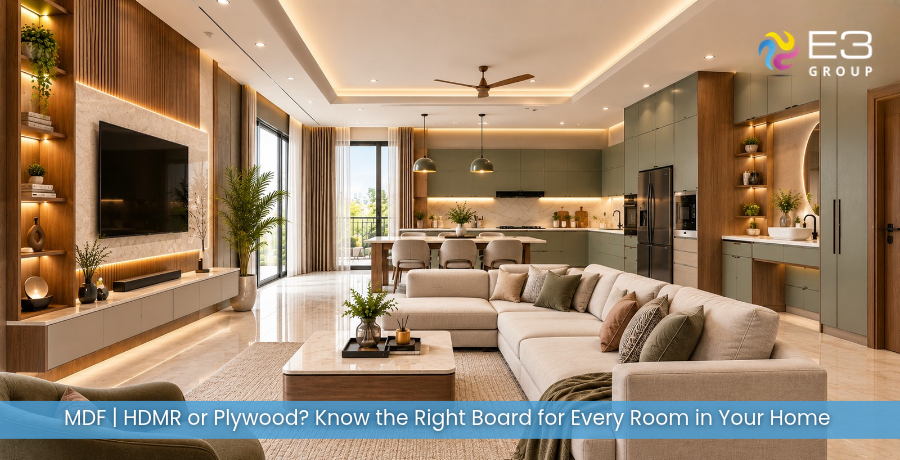
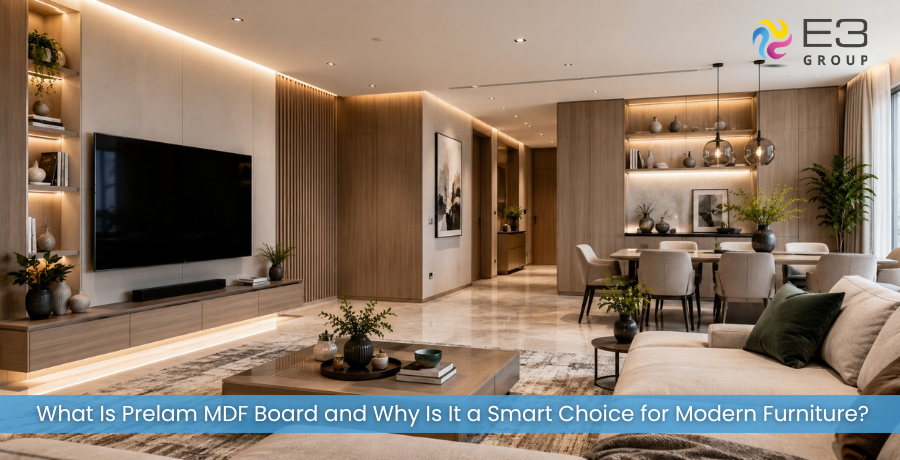
If you’ve been exploring furniture or interior options lately, chances are you’ve come across prelam MDF board. It’s become a go-to material for modular kitchens, wardrobes, office furniture, and more — and for good reason. A prelam board combines the strength and workability of MDF with a factory-finished laminate layer, giving you a ready-to-use panel that skips the extra step of painting or polishing.
Maybe you’re a contractor stocking up on pre laminated panels for a big order, a designer weighing different prelam mdf price options, or just someone planning a kitchen makeover at home — whatever the case, knowing what prelam mdf board and edgeband tape actually brings to the table can help you make a decision that’s both smart and budget-friendly. This guide walks through it all, starting with what pre laminated sheet really means and moving into how it stacks up on price and performance.
What Exactly Is a Prelam MDF Board?
A prelam board is a medium-density fibreboard (MDF) core that comes pre-laminated on one or both sides during manufacturing. Unlike plain MDF, which needs to be painted, veneered, or laminated separately after cutting, a pre lam sheet arrives ready to install — saving both time and labour costs.
The core is made by compressing wood fibres with resin under high pressure, resulting in a smooth, dense surface that takes lamination evenly. This is what gives prelam mdf its clean, uniform finish compared to plywood or particle board alternatives.
Key Benefits of Choosing Prelam MDF Board
- Consistent finish: No knots, grain irregularities, or surface defects — just a smooth, even panel.
- Time-saving: Since the lamination is done at the factory, there’s no need for on-site painting or polishing.
- Cost-effective: Its price is often more competitive than solid wood or hand-laminated alternatives, especially for large-volume projects.
- Design flexibility: Available in a huge range of colours, textures, and finishes to match any interior theme.
- Easy machining: MDF cores are easier to cut, drill, and shape precisely compared to plywood.
E3 manufactures its prelam MDF board range and edgeband tape with strict quality checks at every stage, ensuring consistent thickness, strong bonding, and a finish that holds up over years of daily use.
Prelam MDF Board Price: What Affects the Cost?
One of the most common questions buyers ask is about edgeband tape and prelaminated mdf board price, and understandably so — it’s a major factor in any project’s budget. A few things influence pricing:
- Thickness: Naturally, the thicker the board, the more you’ll pay — more material means a higher price tag.
- Type of lamination: Going for a textured or high-gloss finish? Expect to pay a bit more compared to simpler matte options.
- Brand & quality: Boards from well-established manufacturers with tighter quality control, like E3, might cost a little extra, but they usually pay off with better durability down the line.
- Order: Bulk orders of pre laminated panels typically bring the per-sheet prelam board price down.
While cheaper options exist in the market, it’s worth remembering that a lower prelam mdf price sometimes reflects thinner cores or weaker bonding, which can affect the board’s lifespan.
Where Are Prelam MDF Boards Commonly Used?
Pre laminated sheet products are incredibly versatile and show up across a wide range of applications:
- Modular kitchen cabinets and shutters
- Wardrobes and storage units
- Office desks, partitions, and cabinets
- Retail store fixtures and display units
- False ceiling panels and wall claddings
Because prelam comes in such a wide variety of finishes — from wood-grain textures to solid colours — it fits both residential and commercial interiors without needing additional surface treatment.
Prelam MDF Board vs Plywood: Which Should You Choose?
This is a common dilemma for buyers comparing materials. Plywood tends to offer slightly better moisture resistance and screw-holding strength, making it a solid choice for structural applications. Prelam mdf, on the other hand, wins on surface finish, cost-efficiency, and machining precision — ideal for furniture pieces where a flawless, factory-finished look matters more than structural load-bearing.
For most modular furniture and cabinetry projects, pre laminated panels strike the right balance between aesthetics, budget, and ease of fabrication, which is why E3’s product range leans heavily on this category for interior applications.
Tips for Buying Prelam MDF Board
- Always check the thickness and core density before purchasing — a denser core generally performs better long-term.
- Compare prelam board price across a few suppliers, but don’t compromise entirely on quality just to save a little.
- Ask for warranty or quality standards, especially for kitchen and high-use furniture.
- Request samples to check the lamination bonding and finish quality before placing a bulk order.
E3 Group: Perfect Partner for Perfect Interiors
E3 Group has built its name & reputation around one simple idea: interior surfaces should look good and actually last. Our range covers a lot of ground — laminates, ACP sheets, HPL sheets, WPC boards, PVC panels, fluted panels, prelam MDF boards, and decorative wall solutions, all under one roof. We work with residential, commercial, and hospitality projects across India, and what keeps clients coming back is the balance we strike between fresh design and solid, dependable quality. It’s this combination that’s made E3 Group a name architects, interior designers, and homeowners trust when they want surfaces that are as functional as they are good-looking.
Looking for the right prelam MDF board for your project? Get in touch with our team for personalised recommendations, samples, and pricing. 📞 Call us at +91-7025170251 📧 Email us at [email protected]
FAQs
1. What’s the difference between prelam MDF board and regular MDF?
Regular MDF comes as a bare core, so you’ll need to paint or laminate it yourself after installation. A prelam MDF board already has the laminate applied at the factory, saving time and effort while giving you a more even and polished finish right out of the box.
2. Is prelam MDF board good for kitchen cabinets?
Definitely. Prelam MDF is a popular choice for modular kitchens. Its smooth finish handles everyday wear and tear well, and with a wide variety of colours and designs available, you can easily find an option that matches your kitchen’s style.
3. Why do prelam board prices vary so much from one supplier to another?
Prices can vary based on several factors, including board thickness, core density, lamination quality, design, and brand reputation. Paying a little more for a trusted manufacturer can often be worthwhile, as better-quality boards generally offer improved durability and long-term performance.
4. Can you use prelam MDF board in humid spaces?
Prelam MDF can handle moisture better than plain MDF, but it is not completely waterproof. For kitchens, bathrooms, or other high-humidity areas, choosing an MR (Moisture Resistant) grade board is a better option.