E3 MDF Board is highly recommended by top architects and interior designers to be used in modern furniture because of its smooth surface, uniform structure, and versatility. However, screw pull-out can become a headache when screws are selected or installed incorrectly. This may weaken joints, loosen fittings, and affect appeal. The right screws, drilling methods, and fixing techniques can significantly improve joint performance. Understanding these simple practices helps furniture manufacturers, carpenters, and homeowners create stronger, more reliable MDF furniture.
Why Do Screws Pull Out of MDF?
This problem occurs when a screw loses its grip on the fibres surrounding it. Although MDF has a uniform structure, incorrect fixing can reduce its holding capacity.
Common reasons include:
- Wrong size: Screws that are too short or unsuitable may provide insufficient grip.
- Tightening screws more than necessary: Extra pressure on surface can damage the surface and surrounding fibres.
- Repeated screw removal: Frequent removal and reinsertion can enlarge holes.
- Overlooking standards while drilling: Following bad practice while making pilot holes may weaken the fixing.
- Weak edge fixing: Screws positioned too close to edges may cause splitting.
- Unnecessary pressure: More than enough pressure on surface can gradually loosen furniture connections.
Choose Good Quality Screws for MDF Furniture
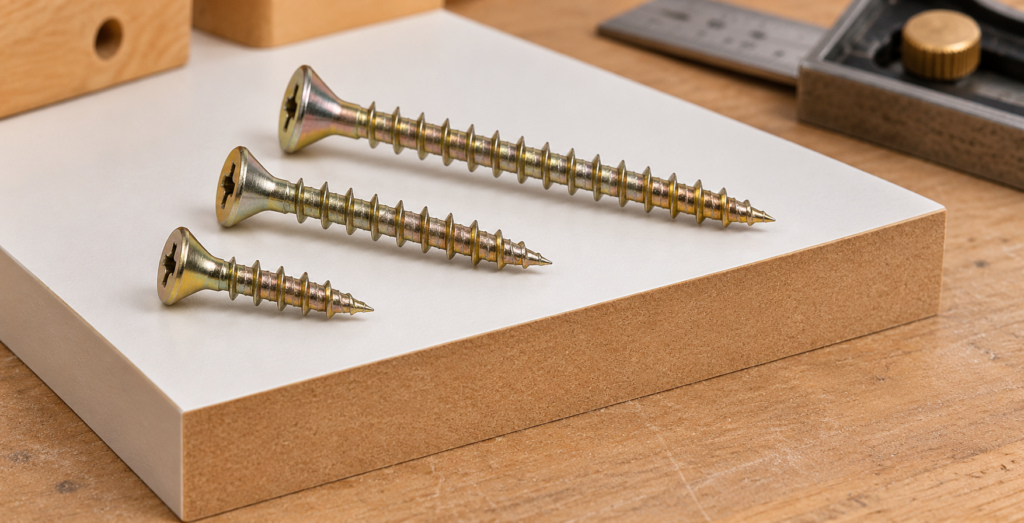
Choosing suitable fasteners is essential for preventing screw pull-out in MDF furniture.
The best screws for MDF furniture are generally those specifically designed for MDF, particleboard, or furniture assembly. Their thread profiles help provide a secure connection within engineered wood panels.
Select screw lengths and diameters according to the board thickness, fixing position, and furniture application. Avoid oversized screws that may damage the surrounding material.
For cabinet construction and other demanding applications, specialist furniture screws such as Confirmat screws can offer reliable connections when installed correctly.
Use Proper Techniques While Drilling
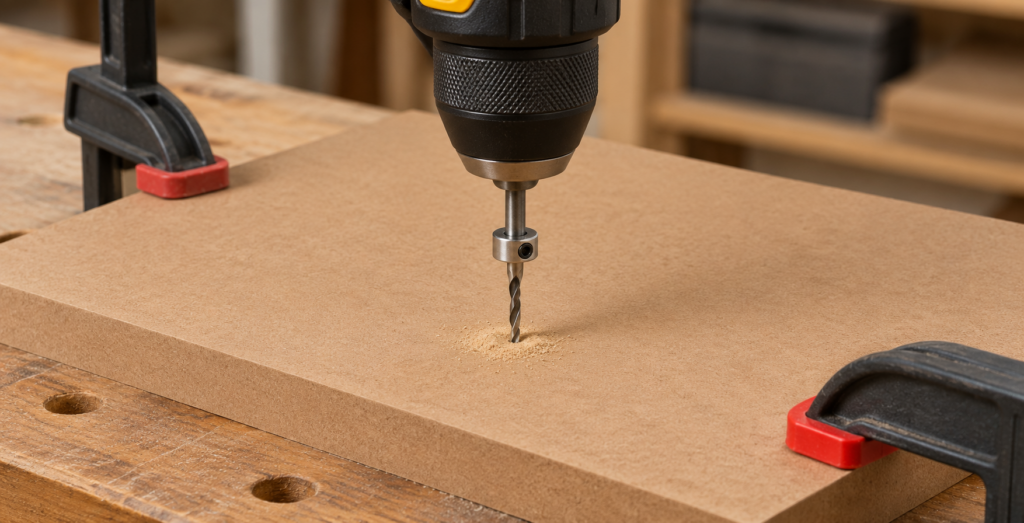
- Correct drilling techniques ideally help screws enter without damaging its internal structure.
- Start by drilling a pilot hole before inserting the screw. Select a drill bit suited to the screw’s core diameter and follow the fastener manufacturer’s recommendations.
- Maintain the correct depth so the screw does not split the material.
- Make holes at the right distance . Keep the drill straight and use controlled pressure.
- Finally, tighten screws carefully. Excessive torque can strip the fibres and reduce holding strength.
Enhance Screw Holding Strength
- Improving MDF screw holding strength requires better attention to fetch better results and ensure quality standards.
- Start with suitable screws and ensure adequate thread engagement within the board. Choose an appropriate board thickness for the furniture design and expected load.
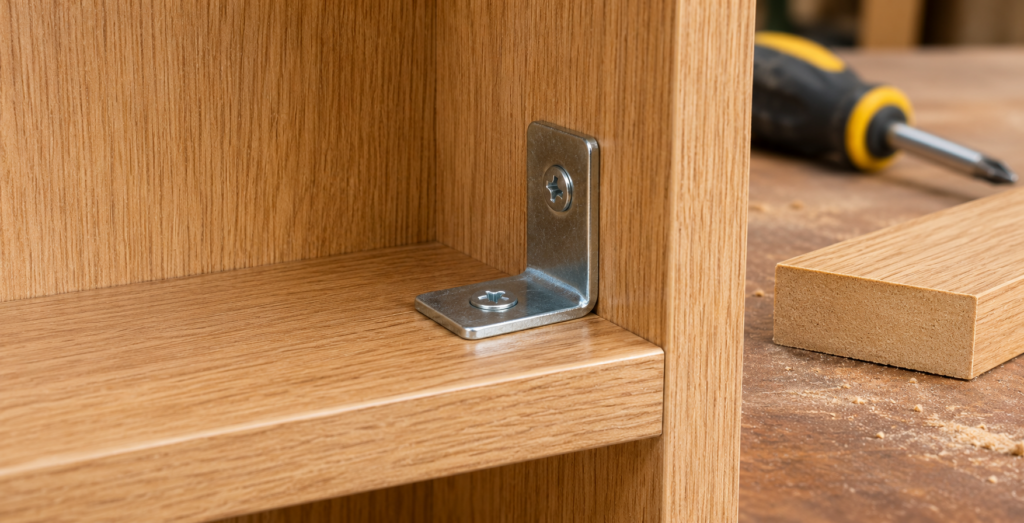
- For heavy storage drawers or frequently used fittings, additional brackets provide reinforcement.
- Brand quality of a board also matters. Research shows that MDF density can influence screw withdrawal resistance. Selecting consistent-quality panels and following proper installation practices helps create dependable furniture connections.
Best Fixing Methods for MDF Furniture
Different MDF screw fixing techniques are suitable for different furniture applications.
- Direct screw fixing: Suitable for straightforward furniture assembly when appropriate pilot holes are used.
- Confirmat screws: Designed for strong panel-to-panel connections in cabinet construction.
- Furniture connectors: Cam locks and other mechanical connectors are useful for modular or dismantlable furniture.
- Metal brackets: Provide additional support for shelves, cabinets, and heavily loaded joints.
Choosing the appropriate method can improve MDF furniture joint strength and reduce the risk of loosening during everyday use.
How to Prevent Screws from Loosening in MDF
Secure furniture joints are all about good assembly practice and good handling. Minimising the number of times you have to remove and reinsert screws is one of the things you can do to help preserve the strength of the wood fibres around the joint. Using good quality branded hardware, ensuring that the weight of the contents is distributed evenly across the shelves and cabinets and providing extra support to any joints that are particularly heavily loaded will all help to ensure that the joints remain strong and stable over the long term. Good alignment, the right fixing method and careful tightening all play their part in ensuring that the joints are strong and reliable over time.
Common Mistakes to Look After:
Even good-quality MDF furniture can develop fixing problems when basic installation practices are overlooked.
Keep an eye on these mistakes:
- Skipping pilot holes
- Careless use of fasteners
- Inappropriate screws
- Poor positioning
- Avoiding thickness & density
- Overloading furniture
A little attention towards these mistakes helps protect furniture durability and overall structural performance.
Final Thoughts
Preventing screw pull-out in MDF furniture depends on the selection of appropriate screws and choosing the best suitable fixing techniques. Paying the required attention to board quality, load distribution, and joint reinforcement can improve furniture strength and reliability.
Explore quality engineered wood solutions from E3 Group to support your next furniture project.
Frequently Asked Questions
Why do screws pull out of MDF?
Screws can pull out of MDF because of incorrect screw sizes, excessive tightening, poorly drilled holes, or repeated removal. Excessive loads and weak edge connections can also damage the fibres surrounding the screws.
Which screws are best for MDF furniture?
Specifically designed screws are generally suitable and meant to deliver expected results. Confirmat screws are useful for panel-to-panel cabinet joints. The correct choice depends on furniture construction.
Should I drill pilot holes in MDF before screwing?
The answer is ‘Yes’! Drilling appropriate pilot holes helps reduce the risk of splitting and fibre damage. The correct hole diameter and depth depend on the screw type, dimensions, and installation recommendations.
How can I make MDF joints stronger?
Always use good-quality, correctly sized screws, accurate pilot holes, and appropriate fixing depths to bring strength to MDF joints . Wooden dowels, furniture connectors, adhesive, and metal brackets can provide additional strength depending on the joint design, furniture application, and expected load.
Can MDF hold heavy furniture fittings?
Absolutely, MDF boards can support all kinds of furniture fittings when thickness and fixing strategies are chosen and executed correctly. Heavy or frequently used fittings may require additional reinforcement, specialised connectors, or multiple fixing points.